

Why traceability belongs in the discussion of PMU competency
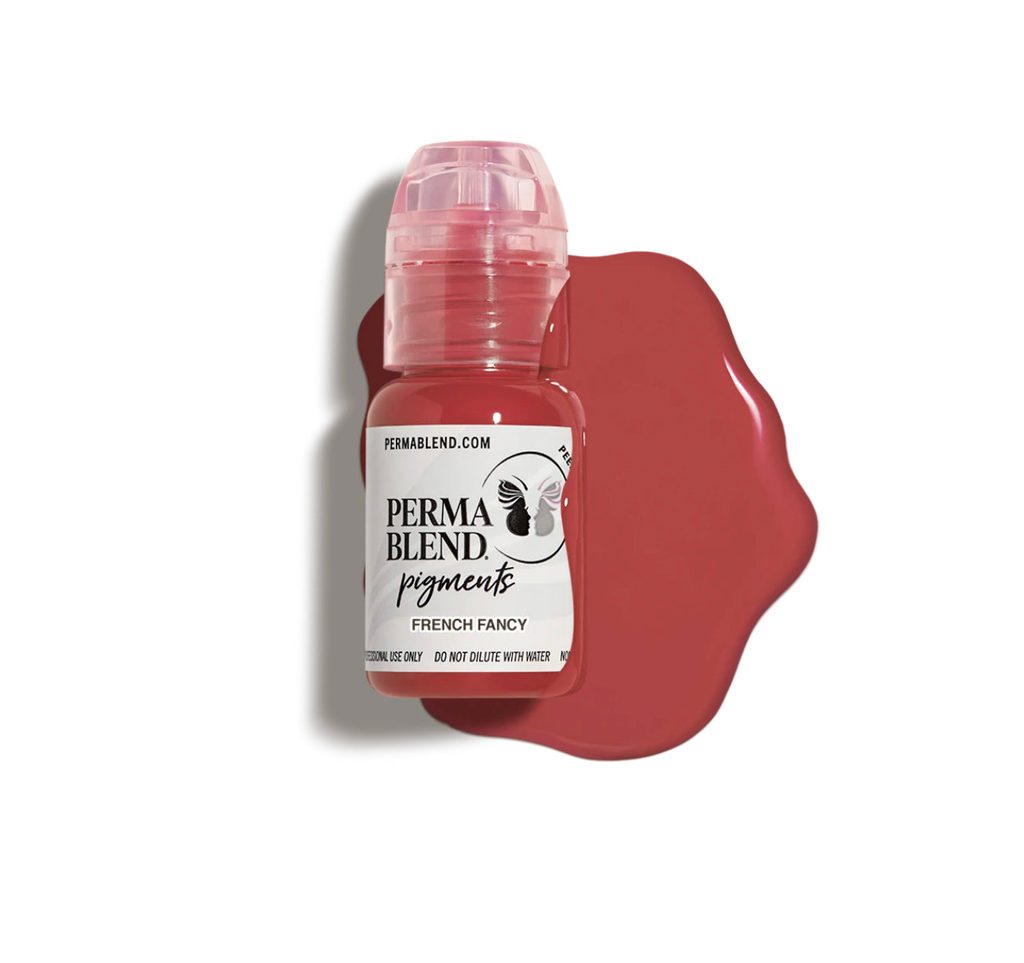
A pigment bottle arrives at a permanent makeup studio. Its label identifies a manufacturer, a shade, and a production lot. Weeks later, that pigment has been used across several appointments, perhaps blended with another color or applied again during a touch-up.
Then a safety notice arrives.
Can the practitioner determine whether the affected lot entered the studio? Can the remaining product be located and removed from use? Can the records identify which clients received it?
These questions bring our continuing discussion of permanent makeup standards into the treatment room. We have examined who is authorized to practice, how facilities are approved, and what a certification actually demonstrates. Traceability asks how those safeguards remain connected to the materials used during an individual procedure.
It is a connection that matters long after the appointment ends.
A federal development with practical implications
On October 22, the U.S. Food and Drug Administration announced final guidance explaining its mandatory cosmetics recall authority, including the circumstances in which that authority may be used and the process the agency follows. FDA said the final guidance contained no substantive changes from its December 2025 draft. The authority itself comes from the Modernization of Cosmetics Regulation Act of 2022.
For the PMU profession, the relevance is direct: FDA considers tattoo and permanent makeup inks to be cosmetics. Its safety materials document contamination concerns and previous recalls involving these products.
The guidance does not establish a new PMU practitioner license or certification examination. Its recall framework addresses the legally defined “responsible person”—the manufacturer, packer, or distributor whose name appears on the cosmetic label. A practitioner purchasing and using a pigment does not automatically assume that role.
Nevertheless, the practitioner holds a critical part of the information: the connection between a particular product and a particular client.
A manufacturer may identify the affected batch. A distributor may identify the studios that purchased it. The studio’s records must carry the connection further if potentially affected clients are to be identified.
That is the practical case for making traceability part of the competency discussion.
Connecting the person the place and the product
Earlier articles in The Beauty Standard explored the distinction between practitioner registration and facility approval. One establishes the individual’s legal standing under the applicable system; the other addresses the premises and operating conditions.
Traceability adds another layer of accountability.
It connects the practitioner and facility to the procedure, the pigment, and the client. It allows a record to answer both “What was used during this appointment?” and “Where was this particular lot used?”
A purchase invoice alone cannot answer both questions. Neither can a consent form that records only “eyebrows” or “brown pigment.”
The useful record is the connection between them.
This also broadens what we mean by professional responsibility. Competence includes performing the procedure safely and maintaining enough reliable information to respond when something later requires investigation.
What happens when pigments are mixed
Consider a practitioner who blends two shades to achieve a suitable color. The client record describes the result as “custom brunette.”
That description may help explain the aesthetic intention. It does not identify the component products.
If one of those pigments later becomes the subject of a recall, the studio needs to know which manufacturer, shade, and lot contributed to the mixture. The same principle applies to a diluent and to products used during a subsequent touch-up.
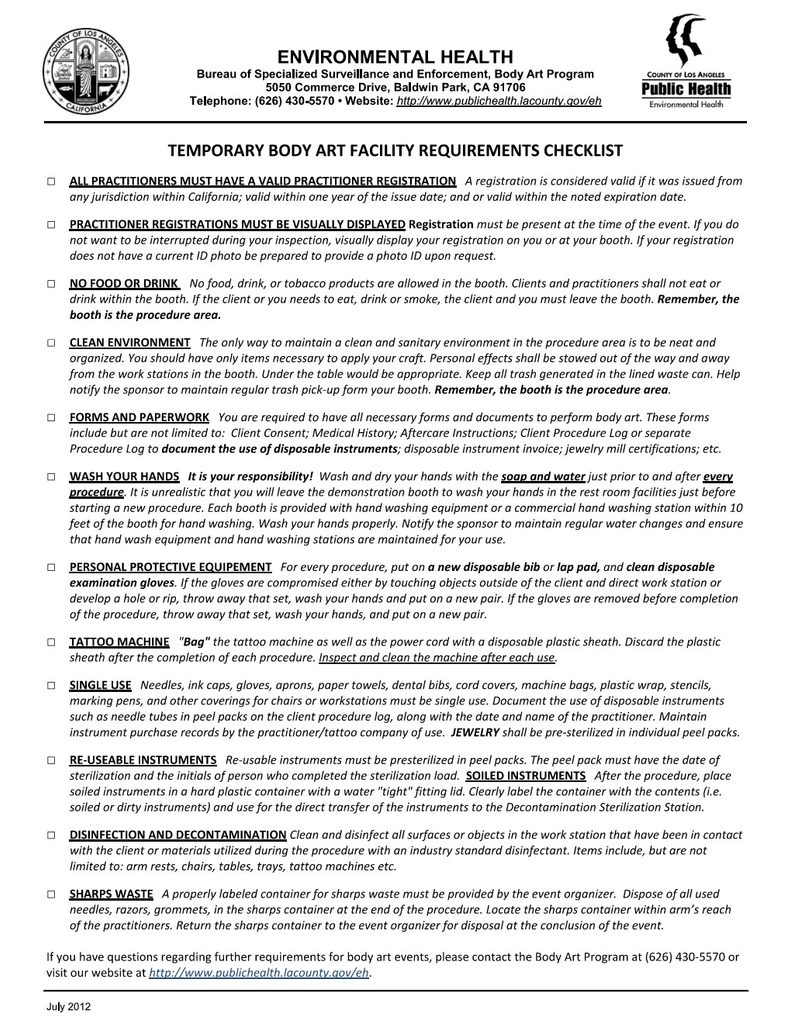
For an independent competency framework, a reasonable proposed standard would link each procedure to the relevant product identifiers, practitioner, facility, treatment date, and treatment site. Inventory records would support that information through supplier details, purchase records, and product handling history.
These are proposed assessment elements, to be aligned with applicable local requirements. They should not be presented as a new nationwide recordkeeping mandate created by FDA’s October guidance.
Their value is straightforward: they preserve information that becomes difficult or impossible to reconstruct later.
A recall tests whether the records work
A recall notice turns documentation into an operational task.
The studio must compare the notice with its products, stop using affected stock, and separate it to prevent accidental use. It must follow the recall instructions and document what happens to the remaining material.
The next task is retrieval: finding the procedures associated with the affected product and identifying clients who may require communication.
Accurate records support that response. Incomplete records leave uncertainty about the extent of exposure and whom to contact.
The response also requires professional judgment. A practitioner should document reported concerns and recognize when medical evaluation is needed. FDA has warned that ink-related infections can resemble other reactions, making diagnosis difficult. A traceable product record can assist an investigation; it does not establish the cause of a client’s symptoms.
Client communications, product disposition, referrals, and relevant reporting should themselves become part of the documented response.
Traceability therefore continues beyond finding a bottle. It follows the action taken.
A concrete way to assess competency
Our discussions involving California, Virginia, and Oklahoma have repeatedly returned to the meaning of a credible PMU credential. What knowledge or ability does it verify? What evidence supports the claim?
Traceability offers a capability that can be demonstrated.
An independent assessment could give a candidate a simulated safety notice, inventory records, and anonymized client files. The candidate would identify affected stock, locate the relevant procedures, explain immediate controls, and prepare an appropriate response.
The exercise could reveal whether the practitioner understands lot identification, mixed pigments, incomplete records, client confidentiality, and escalation.
It would also distinguish familiarity with the word “recall” from the ability to manage one.
For Permanent Glow’s proposed competency approach, this is a useful direction to explore alongside technical performance, infection prevention, informed consent, and aftercare. Any resulting private certification would remain separate from government registration, licensing, and facility authorization.
Accountability that follows the procedure
The current regulatory discussion offers an opportunity to examine how information moves through PMU practice.
The pigment begins with a manufacturer, passes through a supplier, enters a studio, and becomes part of a procedure. At each stage, information can be preserved—or lost.
A credible professional standard should help keep that chain intact.
The client may never ask to see a lot number. But if a safety concern emerges, the practitioner should be able to retrieve it, connect it to the treatment, and act on reliable information.
That is what traceability contributes to the larger discussion of PMU competence: accountability that continues after the client leaves the chair.
© 2026 Permanent Glow. All rights reserved. This publication may be quoted in limited excerpts with clear attribution. Reproduction, republication, commercial adaptation, distribution, or use in developing a competing commercial program without written permission is prohibited.
